


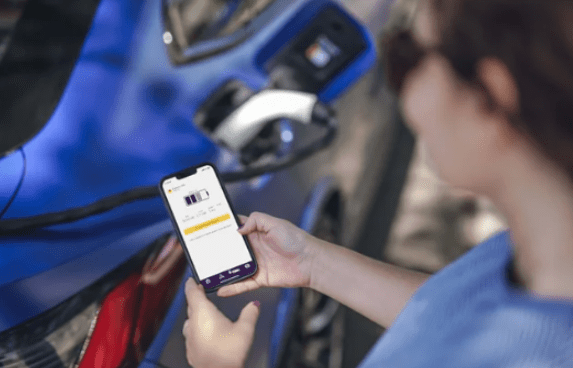
As Australia’s electric vehicle (EV) adoption continues to grow, so does the demand for smarter and more reliable charging networks. For both EV drivers and charging operators, the success of these networks depends on efficiency, availability, and smooth operation. One of the most important technologies driving this progress is real-time data collection.
What is Real-Time Data Collection?
Real-time data collection refers to the continuous monitoring and reporting of information from EV charging stations. This can include data such as charger availability, energy consumption, charging session duration, and even grid impact. By gathering and sharing this information instantly, EV networks can make faster, smarter decisions that benefit both operators and users.
3 Reasons Why Real-Time Data Matter for EV Charging Networks?
Improved Driver Experience
For EV owners, there’s nothing more frustrating than arriving at a charging station that’s offline or already occupied. Real-time data allows drivers to check the live status of chargers, helping them locate available stations and plan trips with confidence.
Operational Efficiency
Charging operators can use live data to monitor station performance, detect issues instantly, and deploy maintenance teams before problems escalate. This reduces downtime and keeps chargers reliable for users.
Smarter Energy Management
Real-time energy usage data helps networks balance demand across multiple stations and integrate renewable energy sources. This not only prevents grid overload but also ensures efficient use of available power.
The Future of EV Networks with Real-Time Data
Real-time data isn’t just about convenience, it’s about building a sustainable, scalable, and efficient EV charging ecosystem. From smart grid integration to predictive maintenance, this technology will continue to shape the way EV networks evolve in Australia and worldwide.